


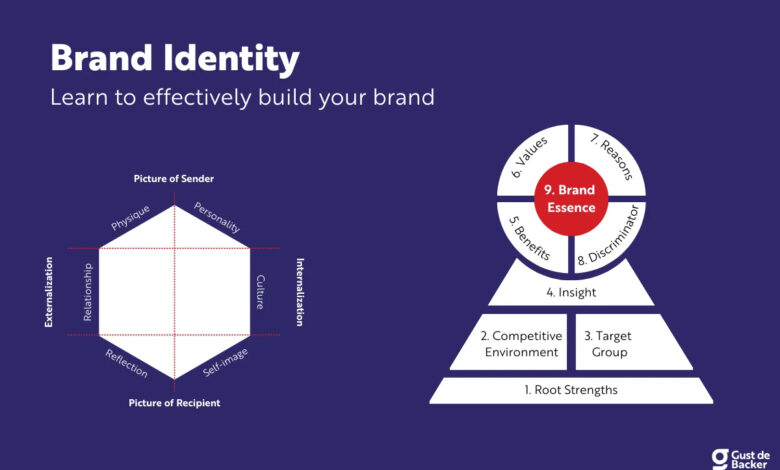
Effective brand identity development is crucial for establishing a unique and memorable brand presence in the market. A well-defined brand identity helps in differentiating the brand from competitors, connecting with the target audience, and building long-term brand equity. Here are key steps and solutions for developing an effective brand identity:
Steps for Effective Brand Identity Development:
1. Brand Discovery and Research:
- Conduct Market Research: Understand market trends, customer preferences, and competitor positioning. This research will help identify gaps and opportunities for differentiation.
- Define Target Audience: Create detailed profiles of your target customers, including their demographics, psychographics, and buying behaviors.
- Assess Brand Positioning: Evaluate your current brand positioning and identify how you can improve or redefine it.
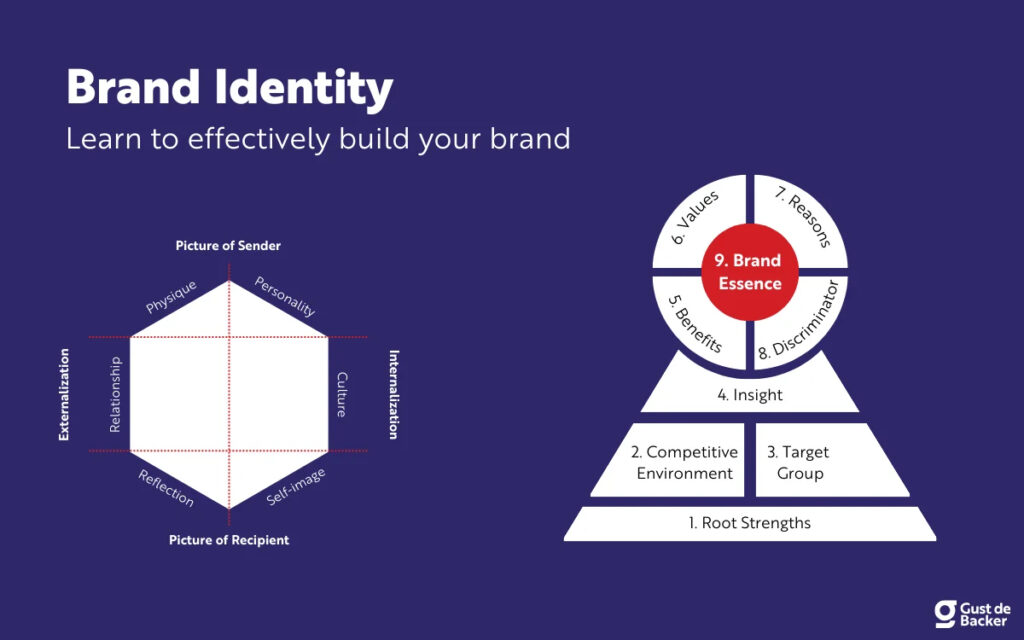
2. Brand Vision and Mission:
- Develop a Brand Vision: Articulate the long-term goals and aspirations of your brand. The vision should reflect where you see the brand in the future.
- Create a Brand Mission: Define the brand’s purpose and core objectives. The mission should communicate what the brand does and how it serves its audience.
3. Brand Values:
- Establish Core Values: Define the principles and beliefs that guide your brand’s actions and decisions. These values should resonate with your target audience and influence your brand’s behavior.
4. Brand Personality:
- Define Brand Personality Traits: Identify characteristics that describe your brand’s personality (e.g., professional, friendly, innovative). This helps in shaping the brand’s tone of voice and communication style.
5. Visual Identity:
- Design Logo: Create a unique and memorable logo that visually represents your brand. Ensure it is versatile and scalable for various applications.
- Choose Brand Colors: Select a color palette that reflects your brand’s personality and evokes the desired emotions.
- Typography: Choose fonts that align with your brand’s style and ensure readability across different mediums.
- Visual Elements: Develop additional visual elements, such as icons, patterns, and imagery, that support your brand identity.
6. Brand Voice and Messaging:
- Develop a Brand Voice: Define the tone, language, and style of communication that will be used across all brand touchpoints. The voice should align with the brand’s personality and values.
- Create Key Messages: Develop core messages that clearly convey your brand’s value proposition, benefits, and differentiators.
7. Brand Guidelines:
- Create Brand Guidelines Document: Compile a comprehensive guide that outlines how to use brand elements consistently. This includes logo usage, color codes, typography, imagery, and tone of voice.
- Ensure Consistency: Apply the brand guidelines across all marketing materials, digital platforms, and communications to maintain a cohesive brand identity.
8. Implementation and Integration:
- Apply Brand Identity: Integrate the brand identity into all aspects of your business, including marketing materials, website, packaging, and customer interactions.
- Train Staff: Educate employees about the brand identity and guidelines to ensure they represent the brand consistently.

9. Monitor and Evolve:
- Gather Feedback: Collect feedback from customers, employees, and stakeholders to assess the effectiveness of your brand identity.
- Track Performance: Use metrics such as brand recognition, customer engagement, and brand sentiment to measure the impact of your brand identity.
- Adapt and Evolve: Be prepared to make adjustments to your brand identity based on feedback and market changes.
Solutions for Effective Brand Identity Development:
- Brand Identity Workshops:
- Facilitate Workshops: Conduct workshops with key stakeholders to brainstorm and define brand elements, values, and personality. This collaborative approach ensures alignment and buy-in.
- Professional Design Services:
- Hire Designers: Engage professional designers or branding agencies to create high-quality visual elements and brand assets. Their expertise ensures a polished and impactful brand identity.
- Customer Insights and Testing:
- Conduct Surveys: Use surveys and focus groups to gather customer insights on brand perception and preferences.
- A/B Testing: Test different brand elements (e.g., logos, messaging) with target audiences to determine the most effective options.
- Brand Management Tools:
- Use Digital Tools: Leverage brand management software and tools to maintain and distribute brand guidelines, monitor brand performance, and manage brand assets.
- Consistent Brand Communication:
- Develop Communication Plans: Create detailed plans for brand communication across various channels, ensuring consistency in messaging and tone.
- Internal Brand Advocacy:
- Engage Employees: Foster a strong internal brand culture where employees are brand advocates and understand the brand identity deeply.
Conclusion:
Developing an effective brand identity involves a strategic approach to defining and communicating your brand’s unique attributes, values, and personality. By conducting thorough research, designing distinctive visual elements, creating a consistent brand voice, and implementing and monitoring your brand identity, you can build a strong and memorable brand presence. Continuous evaluation and adaptation will help ensure your brand remains relevant and impactful in the market.
